



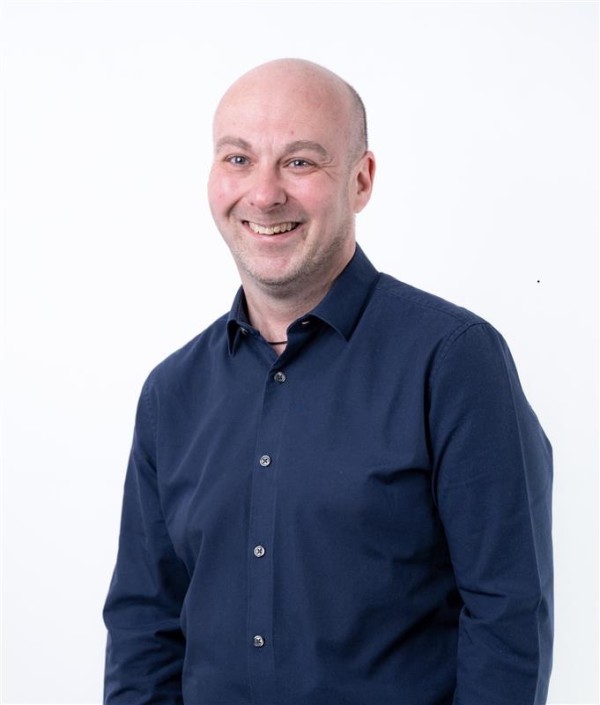
A few days ago, I woke up to a sudden and profound loss of hearing in my left ear. At present, I cannot discern any speech in that ear and rooms full of people all talking at once result in a cacophony of noise as my right ear and brain try to make sense of it all. It’s unsettling. Later that day, I received a diagnosis that stopped me in my tracks. It wasn’t something I had planned for, and like anyone in that position, my first thoughts were about treatment, recovery, and what this meant for my future. Then came an unexpected twist: I was eligible for a clinical trial. Suddenly, I wasn’t just reading about trials in reports or discussing ethics and protocols; I was living one.
Back to My Roots (Sort Of)
It’s been years since my post-doc days, when I was close to the science, designing studies, scoring questionnaires and analysing MRI images late into the night. Since then, my career has shifted toward making sure trials can happen. But being enrolled in a trial brought me back to the heart of translational and clinical research in a way I hadn’t experienced for decades. This time, though, I wasn’t the one designing the study or analysing the results. I was the participant, the data point, the person whose experience might help answer a question that could change treatment for thousands of others further down the line. And let me tell you: that perspective is humbling.
The Human Side of Research
When you’re a patient in a clinical trial, you see things differently. You notice the precision and care that goes into every step: the screening, the consent process, the meticulous acquisition and recording of your data. You realise how much effort is invested to make sure you’re safe, informed, and supported.
I’ve always known that trials are complex. But sitting in the clinic, talking to research nurses who know the protocol inside out, watching them balance scientific rigour with genuine empathy is extraordinary. These teams aren’t just running experiments; they’re guiding people through some of the most vulnerable moments of their lives. And they do it brilliantly.
Why Clinical Trials Matter
Clinical trials are often described as the engine that drives medical progress and that’s not an exaggeration. Every pill, every therapy, every surgical technique we rely on today exists because someone, somewhere, agreed to take part in a trial. Without them, medicine would stand still.
For patients, trials can mean access to cutting-edge treatments that aren’t available elsewhere. They offer hope when standard options have been exhausted, and sometimes even when they haven’t. But beyond personal benefit, there’s a bigger picture: by joining a trial, you’re contributing to knowledge that could help thousands, maybe millions, in the future. That’s a powerful thought.
From a scientific perspective, trials are the bridge between discovery and delivery. They take promising ideas from the lab and test them in the real world, under rigorous conditions, to make sure they’re safe and effective. This process is painstaking, expensive, and often invisible to the public but it’s the reason healthcare keeps improving. They explore new ways of delivering care, new diagnostic tools, new approaches to prevention. They shape guidelines, inform policy, and ultimately change lives.
So, when we talk about clinical trials, we’re not talking about an optional extra. We’re talking about the foundation of modern medicine. Without them, innovation stalls. With them, we move forward one patient, one study, one breakthrough at a time.
Celebrating the Teams Behind the Trials
If there’s one thing I want to emphasise during this experience, it’s this: the research teams running clinical trials are heroes. They work in a space that demands both precision and compassion. They navigate regulatory requirements, manage complex logistics, and still find time to reassure anxious patients and answer endless questions. The trial that I’m involved in STARFISH (https://
A Personal Reflection
As I write this, I’m still in the early stages of my trial. I don’t know yet what the outcome will be for me personally. But I do know this: I feel proud to be part of something bigger than myself. Proud to contribute, in a small way, to the evidence base that will shape future care. And deeply grateful to the team running my trial, and to every research professional who makes this work possible.
This experience has reminded me why I chose a career in research in the first place. It’s about curiosity, yes, but more than that, it’s about impact. It’s about making a difference in real lives. And now, as both a patient and a research professional, I see that more clearly than ever.
Final Thoughts
If you ever find yourself eligible for a clinical trial, do consider it. Ask questions, weigh up the options, and make the choice that’s right for you. But know this: by participating, you’re not just helping yourself, you’re helping science move forward. You’re helping future patients. You’re part of a story that matters.
And to the research teams out there: thank you. For your skill, your dedication, and your humanity. You are changing lives, mine included.